


Prostatitis is one of the most common urological diseases in men.It is generally accepted that after 30 years, 30% of men suffer from prostatitis, after 40-40%, after 50-50%, etc.
The prostate is a small glandular-muscular organ located in the small pelvis below the bladder, covering the initial section of the urethra (urethra).The prostate produces a secretion, which, when mixed with seminal fluid, maintains the activity of spermatozoa and their resistance to various adverse conditions.
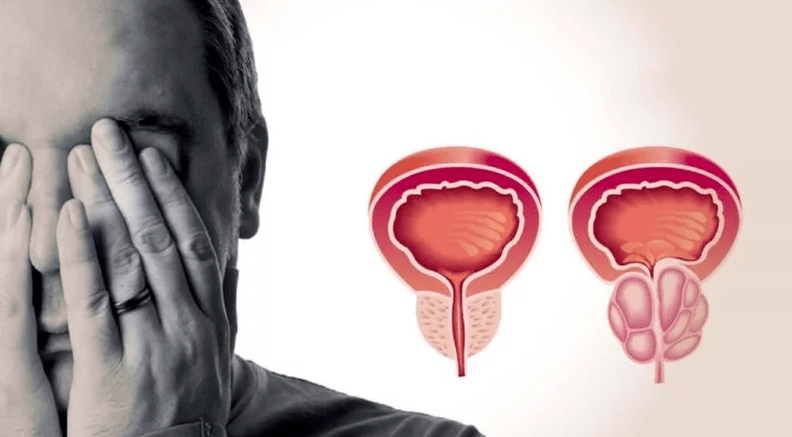
With prostatitis, many problems with urination occur, libido decreases, and erectile function is impaired.The saddest thing is that in the absence of proper treatment, about 40% of patients face some form of infertility, because the prostate can no longer produce a sufficient amount of high-quality secretions to ensure sperm motility. It is important to remember that similar symptoms can occur not only with prostatitis, but also with prostate adenoma and cancer.
Causes of prostatitis
There are 4 main forms of prostatitis: acute bacterial prostatitis, chronic bacterial prostatitis, nonbacterial prostatitis and prostatodynia.
In people under 35 years of age, the disease usually manifests itself in the form of acute bacterial prostatitis.Bacterial prostatitis is called when there is laboratory confirmation of the presence of an infection.Most often it is chlamydia, trichomoniasis, gardnerellosis or gonorrhea.The infection enters the prostate through the urethra, bladder, rectum and through blood and lymphatic vessels in the pelvis.However, recent studies prove that in most cases the infection is due to existing disturbances in the structure of prostate tissue and in blood circulation.In nonbacterial prostatitis, bacteria cannot be isolated, although this does not exclude their presence.
In elderly patients, chronic forms of the disease are more often diagnosed.Prostatodinia refers to the presence of a clinical picture of prostatitis, thickening of prostate tissue without signs of inflammation.
Symptoms of prostatitis
The symptoms of prostatitis can be divided into 3 groups:
- disorders of the urinary system (frequent and painful urge to urinate, feeling of incomplete emptying of the bladder), pain in the lower abdomen;
- disorders of sexual function (pain along the urethra and in the rectum during ejaculation, weakness of erection, premature ejaculation, loss of orgasm, etc.);
- increased anxiety and nervousness in humans, caused by patients' focused attention on their condition.
Acute prostatitis usually begins with an increase in body temperature up to 39-40°C accompanied by fever and chills.Urinating is difficult and painful.Prostate swelling develops, which can cause acute urinary retention.
Chronic prostatitis proceeds more calmly, but at any time, under unfavorable factors, an exacerbation may occur.Perhaps asymptomatic.
Complications
In the absence of timely treatment, prostatitis can lead to the following complications:
- transition from acute to chronic prostatitis,
- bladder obstruction with acute urinary retention, which requires surgical treatment,
- development of male infertility,
- narrowing and scarring of the urethra,
- recurrent cystitis,
- pyelonephritis and other kidney damage,
- an abscess (suppuration) of the prostate, which requires surgical intervention,
- sepsis is a life-threatening complication that often develops in people with reduced immunity (patients with diabetes mellitus, renal failure).
What can you do
If you experience the symptoms described above, try to contact a urologist as soon as possible.
What can a doctor do?
The modern arsenal for diagnosing prostate diseases is very extensive.
The doctor will order a bacteriological examination of your urine and prostate secretions. To clarify the location of a urinary tract infection, different portions of urine are examined.In addition, a mandatory diagnostic method is a digital prostate examination. This procedure is not very pleasant, but it is very informative.Your doctor may recommend an ultrasound of your prostate and pelvic organs.If necessary, nuclear or magnetic tomography, cystoscopy, urography and prostate enzyme testing are prescribed.
When making a diagnosis, your doctor must rule out benign prostatic hyperplasia and prostate cancer.To quickly relieve pain related to acute prostatitis, pain relievers and warm baths may be recommended.
Bacterial prostatitis requires the obligatory prescription of antibiotics, the selection of which is carried out based on the results of bacteriological culture of secretions on nutrient media and determination of the sensitivity of the pathogen to chemotherapy drugs.
Nonbacterial prostatitis is treated with anti-inflammatory medications.
Prostatitis prevention
Avoid hypothermia and don't sit on cold objects. Follow a gentle diet (excluding alcohol, spicy, fried and canned foods).Regular sex life is also a way to prevent prostatitis (since one of the provoking factors is sperm stagnation and frequent erections without subsequent ejaculation).Prevention of sexually transmitted diseases is equally important.
As an adult, every man should have regular examinations (once a year) by a urologist.After prostatitis, preventive outpatient treatment courses are carried out at least 2 times a year for a month and a sanatorium course.